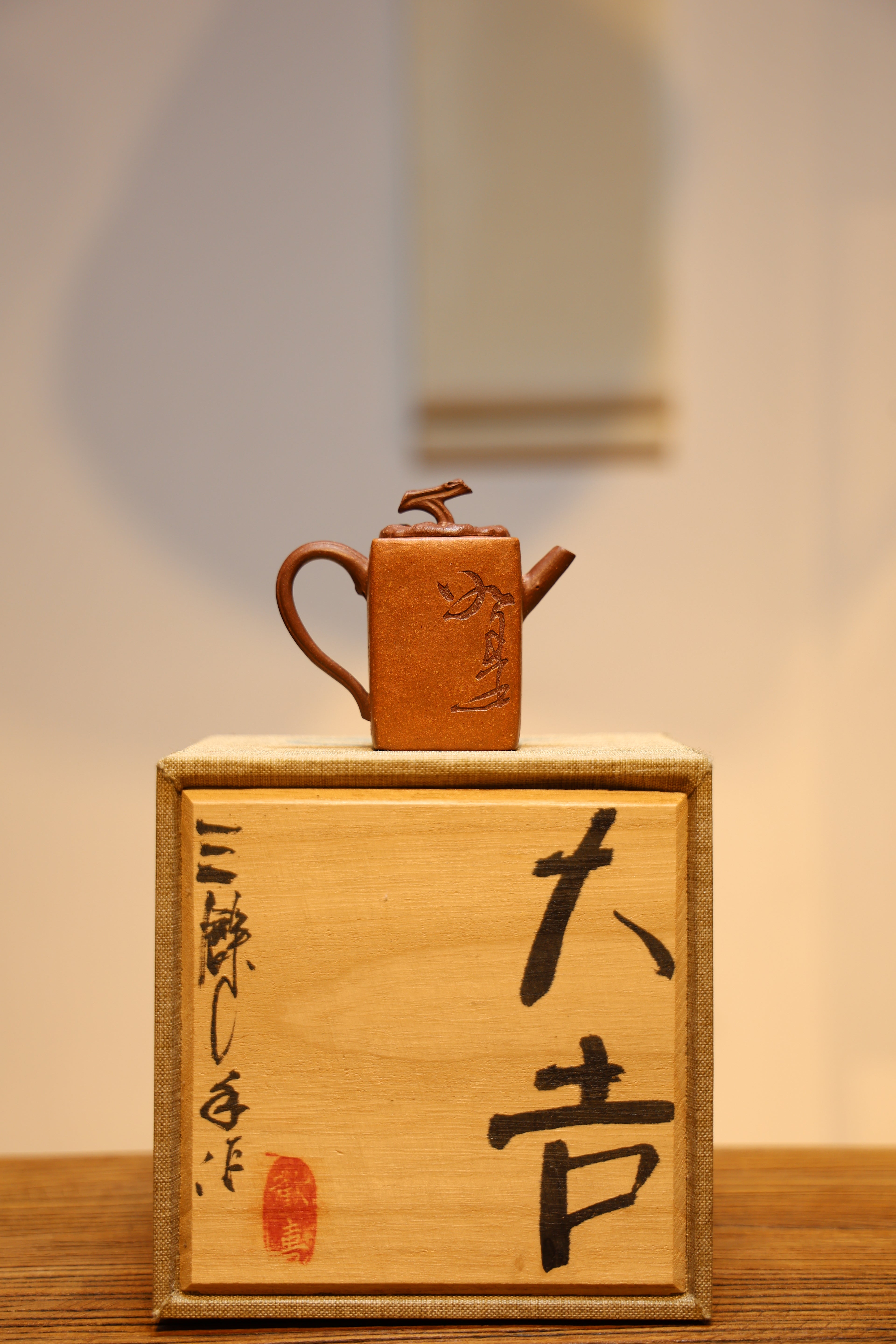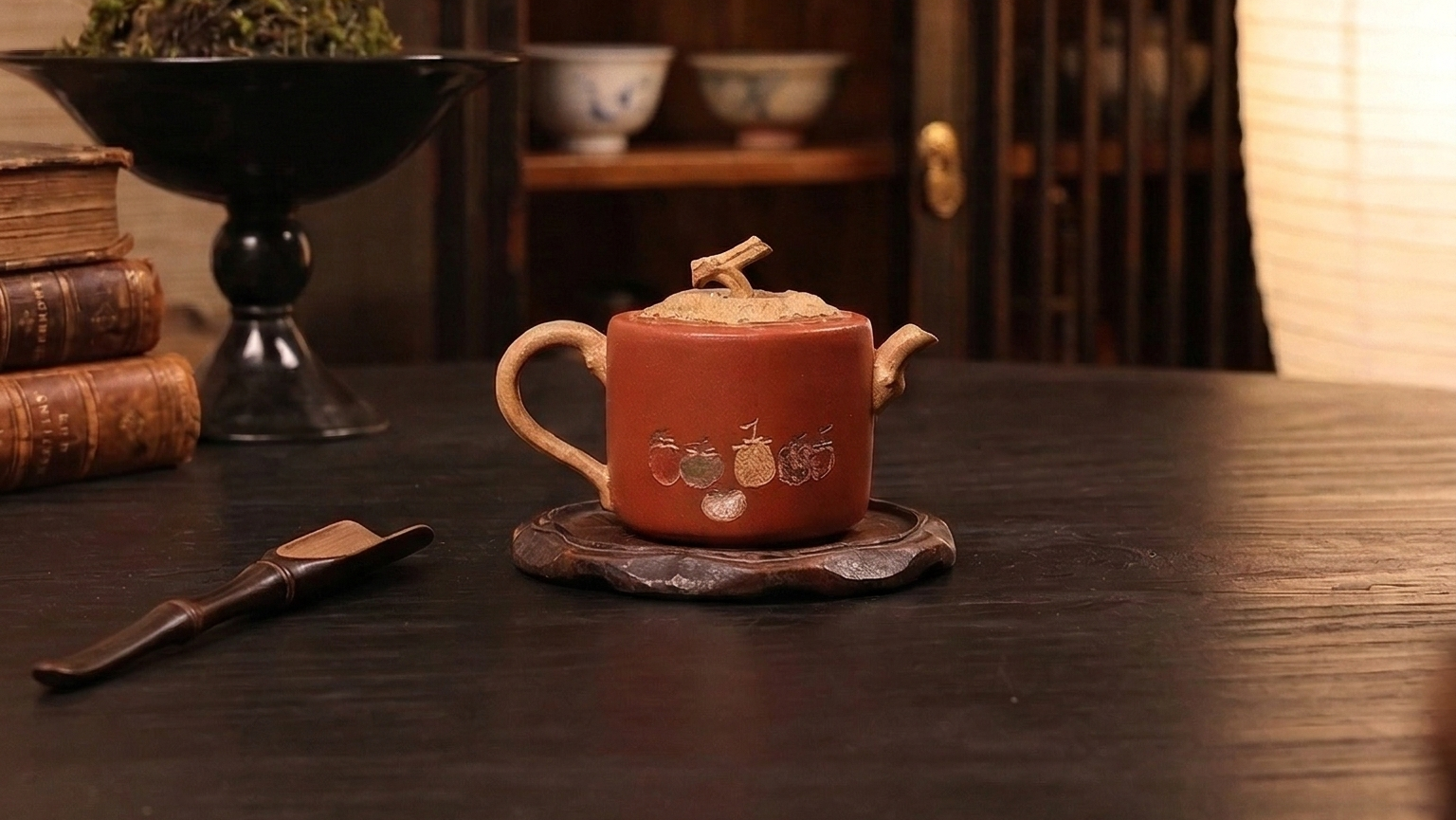
Eras in lovers have long cherished the uncommon enchantment of Yixing Zisha teapots. Rooted in the picturesque town of Yixing, the nation, these pots are crafted from a exotic and harvested purple clay acknowledged for its notable thermal traits and capability to boost the taste of tea. Other than their serviceable benefit, Zisha teapots reflect a rich cultural roots, resulting them exceptionally valued and a bona fide wonder for any ardent teapot fan.
Exploring Yixing Kettles
Traditional teapots exhibit a remarkable integration of history and traditional craftsmanship. Coming in Yixing, Jiangsu Locale of China, their narrative extends to the Ming Dynasty, although indications suggest earlier examples. The exclusive purplish clay, called Zisha, found merely in the Yixing region, is the integral component, contributing to the pots' excellent heat sustaining and the manner they modify the flavor of tea. Continuums of potters have honed techniques—often bequeathed through families—including molding the clay, applying intricate embellishments, and firing the pots at accurate temperatures.- In the past, Yixing teapots were often trimmed with simple designs.
- Afterwards, more complex carvings and decorative motifs became trendy.
- The firing process itself is a key element, requiring prolonged intervals of skill.
Gathering Zisha Teapots: Fundamental Points
Undertaking a journey to secure Zisha teapots can be pleasurable, but it’s imperative to grasp what to analyze. Authenticity is vital; focus on the soil’s natural tone, a muted reddish-brown is typical. Examine the grain; genuine Zisha has a exclusive tactile sensation, often portrayed as slightly grainy. The profile should be balanced and consistent with authentic styles, while labels, if present, require close examination for truthfulness. Don’t shy away to consult with knowledgeable specialists or respected sources – their expertise is irreplaceable.
Oriental Teapots: Discovering the Culture of famous Ceramics
Ages have seen Yixing Zisha Clay teapots possess a remarkable role in Chinese civilization. These masterfully created pots, sourced distinctively from the province of Yixing, are prominent for their distinctive color, consistency, and their ability to boost the scent of decoctions. Zisha Teapot Scores of collectors acquire antique Yixing teapots, coveting them highly not only for their aesthetic appeal, but also for the past they embody.
Yixing Zisha Teapots: Unique Foremost Forms and Their Properties
Ming Clay teapots, native to the genuine zone of Yixing, the state, are distinguished for their exclusive clay and high-quality brewing aptitudes. Inside the numerous Zisha types, those kinds that are highly valued include Binzhou Purple Sand. Binzhou, known for its bold purple shade and sleek texture, delivers a moderate flavor. Duan Ni form, recognizable by its coppery color and a bit grainy feel, is thought to enhance a heft. Lastly, Zhuni sort boasts an scarce crimson tone and can impart a savory nuance. Each class delivers a different experience, facilitating them distinctly desirable with drink enthusiasts.
Mastering Unique Earthenware Vessel
To unlock the capability of your Yixing pot, understanding the correct modus operandi is critical. These clay vessels, celebrated for their porosity, will successively incorporate the essence of the tea you cook within them. Begin by cleaning the jar thoroughly with boiling water. Then, use only premium unpacked leaf tea, as lower quality options can degrade the clay’s delicate qualities. Always let the leaves to extend completely, and remember that with each infusion, your Yixing teapot will become steadily unique.
Sustaining Your Cherished Zisha Relic
Proper attention for your Zisha urn is vital to conserving its appearance and appreciation. Zisha clay, hailed for its unique nuance and grain, requires delicate handling. Never use stringent soaps, as these can spoil the finish. After every employing, rinse the teapot with moderate temperature water and allow it to cool off completely.
- Eschew soaking the urn for extended times.
- Sometimes use a soft cloth to buff the exterior.
- Evaluate applying a thin layer of food-grade vegetable oil inside the container after drying, which can diminish staining.
Initial Guide to Yixing Teapots
Yixing vessels, originating from the Yixing zone in Jiangsu Province, of China, are celebrated for their distinctive traits. Shaped from the unique purple clay known as Zisha, these containers are prized by brew enthusiasts worldwide. This summary will briefly explain the core elements – covering forms of Zisha composite, popular shapes, and vital care suggestions. Understanding the foundation of Yixing jars can enhance your appreciation for this esteemed example of Far Eastern folklore.
Trade of Chinese Clay Pots: Concentrating on Zisha found in Yixing locality
Zisha compound from Yixing represents the height of Zhongguo earthenware design, exhibiting a exclusive compound of raw beauty and valuable artistry. These celebrated pieces are honored for their rich color palettes, often spanning dark purples and brown hues to gentle greys and pale beiges. The particular mineral composition of the regional Zisha earth imparts a typical texture and creates a agreeable aroma that enhances the overall tea experience, affording them exceptionally admired collectibles and key components of any serious practice.